
A water stain on the ceiling, a buyer’s request for a repair, or an insurer’s question about roof condition can put homeowners in an unfamiliar position. The difference between a roof inspection versus appraisal matters because these services answer different questions. One is meant to identify roof conditions and likely repair needs. The other estimates a property’s market value.
Confusing the two can lead to costly assumptions. A home can appraise at the expected value while still having a failing pipe boot, loose chimney flashing, worn shingles, or a leak around a skylight. Likewise, a roof that needs a targeted repair does not automatically make a home unmarketable or require full replacement.
Roof Inspection Versus Appraisal: The Core Difference
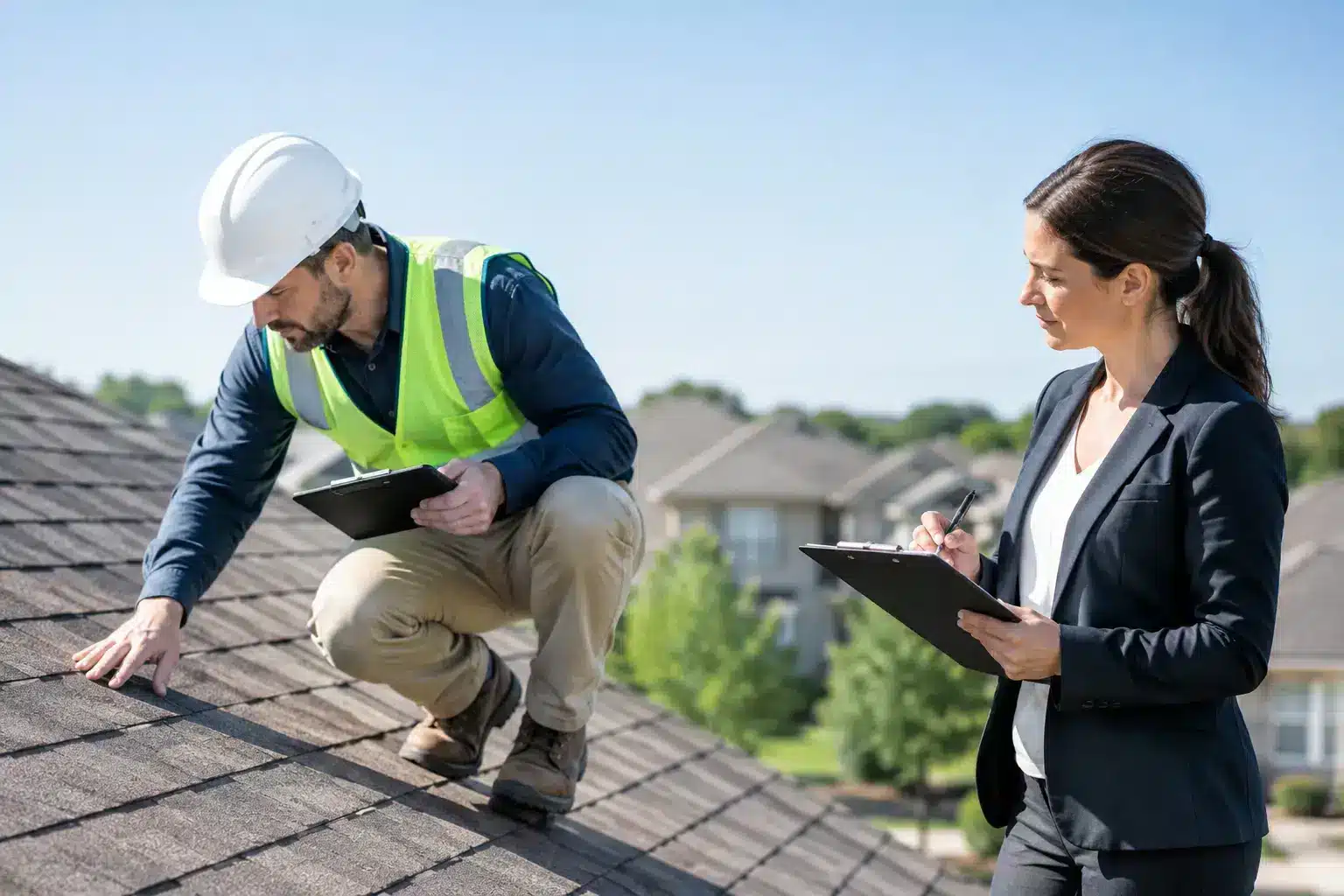
A roof inspection is a condition-focused evaluation. A qualified roofing contractor examines accessible roof areas and related components to identify deterioration, damage, installation concerns, and likely sources of water intrusion. The purpose is to give the homeowner clear information about what is happening and what work, if any, is appropriate.
An appraisal is a valuation opinion performed for a real-estate transaction, refinance, estate matter, or other financial purpose. The appraiser considers the home’s location, size, age, features, comparable sales, and overall apparent condition. The roof can influence value, but the appraiser is not usually performing a detailed roof diagnosis.
Put simply, an appraiser may observe that a roof appears worn or may note a visible condition that affects marketability. A roofing inspector looks more closely at why that condition exists, how far it extends, and whether a repair can correct it.
What a Roof Inspection Can Reveal
A proper inspection is not just a view from the driveway. The scope varies with roof access, safety, roof design, and the symptoms reported, but the work should focus on actual failure points. On a shingle roof, that may include shingle wear, missing tabs, exposed fasteners, ridge areas, roof valleys, flashing, vent boots, and transitions at walls or chimneys.
For homes with skylights, chimney structures, flat roof sections, Florida rooms, porches, or mobile home additions, those connections deserve special attention. Roof leaks often begin where materials change direction or where a penetration interrupts the roofing surface. Water may show up indoors several feet away from the true entry point, so treating the stain or replacing a few visible shingles without diagnosis can leave the underlying problem in place.
In Jacksonville, strong sun, humidity, heavy rain, wind, and coastal moisture can accelerate ordinary wear. Heat can dry and stress roofing materials, while repeated rain exposes weak flashing and aged sealants. A focused roof inspection helps distinguish between a limited repair need and a broader condition issue that should be planned for.
A useful inspection report should explain findings in plain language. Homeowners benefit from photographs of affected areas, a description of the likely cause, and recommendations that separate immediate repairs from maintenance or future planning. That documentation is especially valuable when a buyer, seller, insurer, or property manager needs to understand the condition without guessing.
What an Appraisal Usually Covers
An appraiser evaluates the property as a whole, not every roofing component. The roof’s age, visible condition, and remaining useful life may be considered as part of the home’s overall appeal and condition rating. A visibly damaged roof can affect an appraiser’s opinion if it suggests deferred maintenance, introduces a repair cost, or makes the property less comparable to competing homes.
Still, an appraisal is generally a visual, noninvasive review. An appraiser does not remove shingles, test flashing, trace leak paths, or determine whether a small repair will resolve a concern. They may require that a visible issue be repaired before a lender will complete the loan, but that does not turn the appraisal into a roofing inspection.
This distinction matters most in a sale. If an appraiser flags an apparent roof concern, the best next step is often a roofing inspection and a written repair recommendation. That gives the parties a factual basis for deciding whether the issue needs repair, a credit, further evaluation, or replacement. It is better than negotiating from a photograph or assuming the worst.
When You May Need Both
Homeowners commonly need both services during a purchase, sale, or refinance. The appraisal supports the financial side of the transaction. The roof inspection protects the physical property.
A buyer should not rely on a favorable appraisal as proof that the roof is sound. If the roof is older, shows curling or missing shingles, has evidence of prior leaks, or includes areas around a chimney, skylight, or flat roof that raise questions, a roofing inspection can provide the detail the appraisal cannot.
Sellers can also benefit from having known roof concerns evaluated before listing. A documented, targeted repair may be more practical than allowing a vague concern to become a late-stage negotiation problem. If the roof has reached the end of its service life, an honest assessment allows the seller to price and plan accordingly rather than promising more than the roof can reasonably deliver.
For refinancing, a lender or appraiser may notice visible deterioration. A contractor’s inspection can clarify whether the issue is cosmetic, repairable, or significant enough to affect loan conditions. The answer depends on the roof’s condition, not simply its age. A well-maintained older roof can perform better than a newer roof with poor flashing details or storm damage.
Do Not Confuse These With Insurance Inspections
Florida homeowners may also hear about a four-point inspection or wind mitigation inspection. These are different from both a real-estate appraisal and a diagnostic roof inspection.
A four-point inspection generally documents major home systems for insurance underwriting, including the roof. A wind mitigation inspection records qualifying construction features that may affect windstorm insurance discounts. Both can be useful, but neither necessarily provides the detailed leak diagnosis or repair scope a roofing contractor provides.
If an insurance inspection identifies a roof concern, ask what was observed and then have the specific area evaluated. This approach avoids two common mistakes: dismissing a real problem because the report feels general, or assuming a general notation means the entire roof must be replaced.
Questions to Ask Before Acting on a Roof Finding
Whether the concern comes from an appraiser, home inspector, insurer, or your own observation, ask for specifics. What was seen? Is the issue visible damage, active leakage, age-related wear, or an unverified concern? Which roof component is involved, and are surrounding materials affected?
Then ask what repair would address the source. A fair recommendation should explain why the proposed work is needed and whether a localized repair is appropriate. For example, repairing failed flashing at a chimney transition is different from replacing a broad area of deteriorated shingles. Both may be valid, but they should not be treated as the same problem.
Be cautious with broad recommendations based only on a quick exterior view. Some roofs do need replacement, particularly when materials are extensively worn or storm damage is widespread. But a responsible contractor should be able to show the condition, explain the scope, and tell you when a repair is likely to provide a long-lasting solution instead.
Use the Right Professional for the Right Decision
An appraisal can help establish what a home is worth in the market. A roof inspection helps establish what the roof needs to continue protecting the home and family. Neither replaces the other.
For Jacksonville homeowners facing a leak, a transaction deadline, or questions about visible roof wear, James Neill Roofing Repair approaches the roof as a system. That means examining shingles, flashing, penetrations, chimney transitions, skylights, and surrounding materials before recommending work. With more than 45 years of experience and Florida license CCC057937, the goal is clear information and repairs that address the actual source of the problem.
If a roof concern has been raised, acting before the next heavy rain is usually the sensible choice. Get the condition explained, keep the documentation, and make the repair decision based on what the roof actually needs.