
A roof can look clean from the driveway and still have a leak path at a chimney, worn flashing around a skylight, or soft decking hidden beneath otherwise acceptable shingles. That is why a roof inspection for home buyers should be treated as a separate part of due diligence, not simply a line item within a general home inspection. Before closing on a home in Jacksonville Florida, you need clear information about the roof’s condition, the source of any concerns, and what repairs may actually be needed.
Florida roofs work hard. Intense sun, humidity, wind-driven rain, tropical weather, and sudden downpours can shorten the life of shingles and expose weak points around penetrations. A careful inspection can help a buyer avoid taking ownership of a manageable repair without realizing it has already become a larger water-intrusion problem.
Why the General Inspection May Not Be Enough
A home inspector provides a valuable overview of the property, but roofing is a specialized trade. Depending on access, safety conditions, and the scope of the inspection, a general inspector may identify visible concerns without determining why they are occurring or how far they extend. A note such as “damaged flashing,” “roof nearing end of life,” or “possible leak staining” is often a reason to call a qualified roofing contractor, not a complete repair recommendation.
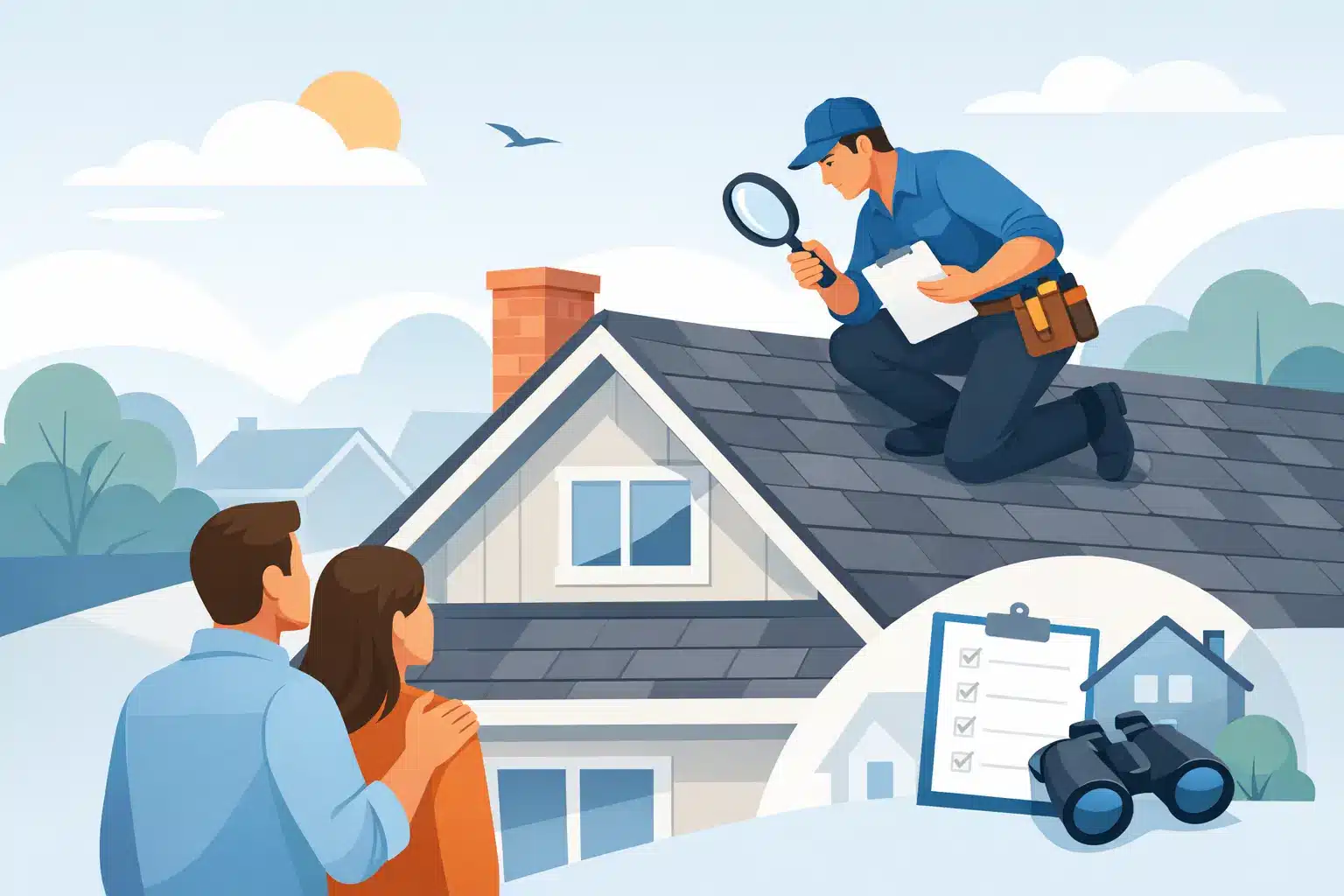
A roofing-focused inspection looks beyond the broad condition of the roof covering. It considers how shingles, underlayment, flashing, vents, pipe boots, chimney transitions, skylights, gutters, valleys, eaves, and roof decking are working together. The goal is not to make the roof sound worse than it is. It is to identify the actual condition and distinguish between a targeted repair, maintenance work, and a roof that may need more extensive planning.
That distinction can materially affect negotiations. A few missing shingles or a cracked pipe boot may be straightforward to correct. Widespread granule loss, brittle shingles, recurring leaks, sagging areas, or multiple compromised flashing details deserve a more careful discussion before the closing date.
What a Roof Inspection for Home Buyers Should Cover
A useful pre-purchase inspection starts with the roof system as a whole. The inspector should evaluate visible roofing materials for age-related wear, storm damage, lifted or missing shingles, exposed fasteners, cracked tabs, and signs that previous repairs are failing. On flat or low-slope areas, the condition of seams, drains, scuppers, coatings, and ponding-prone areas matters just as much as the surface itself.
The details are often where water gets in. Flashing at walls, chimneys, valleys, vents, and skylights must direct water onto the roof surface, not behind it. Sealant may be part of a proper detail, but excessive caulk is not a substitute for correctly installed flashing. A buyer should be cautious when a roof has many patches of sealant around penetrations without a clear explanation of the underlying repair.
Interior evidence also matters. Stains on ceilings, bubbling paint, damp insulation, mold-like discoloration, or warped trim can indicate a current or past leak. However, a stain does not always identify the exact entry point. Water can travel along decking, framing, or a roof slope before appearing inside. Proper diagnosis connects the interior symptom with the roof condition above it rather than guessing based on the stain alone.
A thorough report should explain the findings in plain language and document significant conditions with photographs. That gives you something specific to discuss with your real estate agent, seller, insurer, or lender. It also helps prevent a vague recommendation from becoming an unnecessarily broad repair request.
The Florida Conditions Buyers Need to Consider
In Jacksonville Florida, roof age alone does not tell the whole story. Two roofs installed in the same year may have very different conditions because of shade, tree debris, drainage, roof design, ventilation, prior repairs, and storm exposure. A roof that receives constant direct sun may become brittle sooner, while a shaded roof may hold moisture and develop algae or deteriorating organic debris in valleys and gutters.
Wind is another concern. Shingles can be creased, lifted, or lose their seal without leaving an obvious hole. Once the seal is compromised, wind-driven rain has a path beneath the shingle layer. After tropical storms, buyers should ask whether the roof was inspected, repaired, or the subject of an insurance claim, then verify the visible condition rather than relying only on recollection or paperwork.
Pay close attention to older roof features as well. Chimney caps, flashing transitions, skylights, and plumbing vent boots are common failure points. These components may have a shorter service life than the main roof covering. Replacing a deteriorated skylight or repairing chimney flashing can be sensible maintenance, but ignoring those details can lead to damaged decking, ceilings, insulation, and walls.
When to Schedule the Inspection
Schedule the roofing inspection as early as possible during your inspection period. Waiting until the final days before closing gives you less time to obtain a repair estimate, request seller corrections, seek credits, or decide whether the condition changes your plans. Early scheduling is especially helpful when rain is in the forecast or a storm has recently passed through the area.
If the general home inspection notes roof concerns, do not assume the seller must replace the entire roof. Ask for a roofing assessment that identifies the condition, likely cause, recommended scope, and whether surrounding materials need attention. In some cases, a focused repair is the honest answer. In others, the roof may be functional today but near the point where replacement should be budgeted. Both findings are useful if they are clearly supported.
It is also reasonable to request documentation for recent work. Ask what was repaired, when it was completed, whether permits were required, and whether there is transferable warranty information. Recent repairs are not automatically a red flag. Good repairs can extend roof life. The concern is undocumented work, repeated patching in the same location, or repairs that address symptoms while leaving failed flashing, rotten wood, or drainage issues in place.
How to Use the Findings Before Closing
A roof report should help you make a practical decision, not create panic. If the inspection finds limited issues, request that the seller complete repairs with appropriate materials and workmanship, or negotiate a credit based on a written estimate. Make sure the agreement describes the work rather than simply saying “repair roof as needed.” Specific language protects everyone from misunderstandings.
For more extensive conditions, consider the timing and the cost in the context of the whole purchase. You may be comfortable proceeding if the price reflects the needed work and you have a plan for it. You may prefer repairs before closing if active leaks are present. Insurance requirements can also affect the decision, particularly when a roof is older or has visible deterioration. Your insurance agent can explain what documentation or repairs may be required for coverage.
Do not let a seller’s promise of a quick patch be the only answer to a documented leak. The right repair depends on where water is entering, the condition of the surrounding materials, and whether the roof system can still perform as intended. A repair that looks fine immediately after installation may fail again if the underlying issue was never corrected.
Choose Diagnosis Over Guesswork
A reliable roofing contractor should be willing to explain what they found, show you the relevant areas when practical, and separate immediate concerns from items to watch. Be wary of anyone who recommends full replacement without examining the details, but also be wary of assurances that everything is fine when visible warning signs are present. Honest inspection work is specific.
James Neill Roofing Repair brings more than 45 years of inspection-led repair experience to homes across Jacksonville Florida. As a Florida-certified contractor, license CCC057937, the focus is on finding the true source of deterioration or water intrusion and recommending work that fits the roof’s actual condition.
Before you commit to a home, make room in the inspection period for the roof to be evaluated on its own terms. Clear findings now can protect your budget, your interior finishes, and your peace of mind long after the closing papers are signed.